A Practical Guide to Understanding Retainer Types and Costs
Retainers: Which Type Is Right for You?
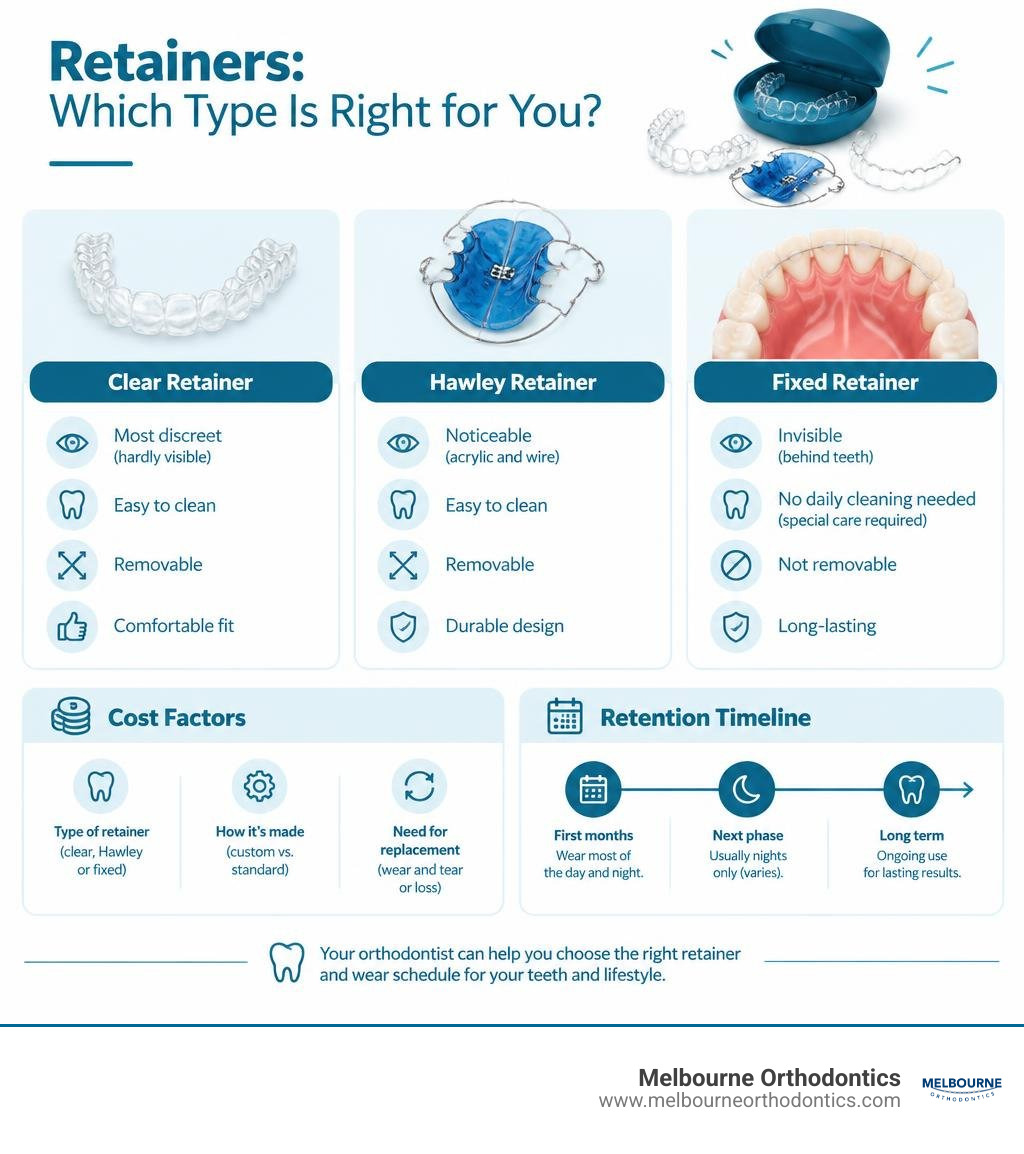
Retainers keep teeth from shifting after braces or clear aligners. The main choices are clear plastic trays, removable Hawley retainers, and fixed wires bonded behind the teeth. Each has different trade-offs for appearance, cleaning, and wear. Cost depends on the type, how it is made, and whether it needs to be replaced. Your orthodontist can help you choose a retainer and wear schedule that fit your teeth and daily routine.
I’m Dr. Chad Reddick, the orthodontist at Melbourne Orthodontics in Melbourne, Florida. My specialized orthodontic training and work with children, teens, and adults shape how I help patients choose and care for retainers.
Relevant articles related to retainers:
The Biological Need for Retention After Orthodontics
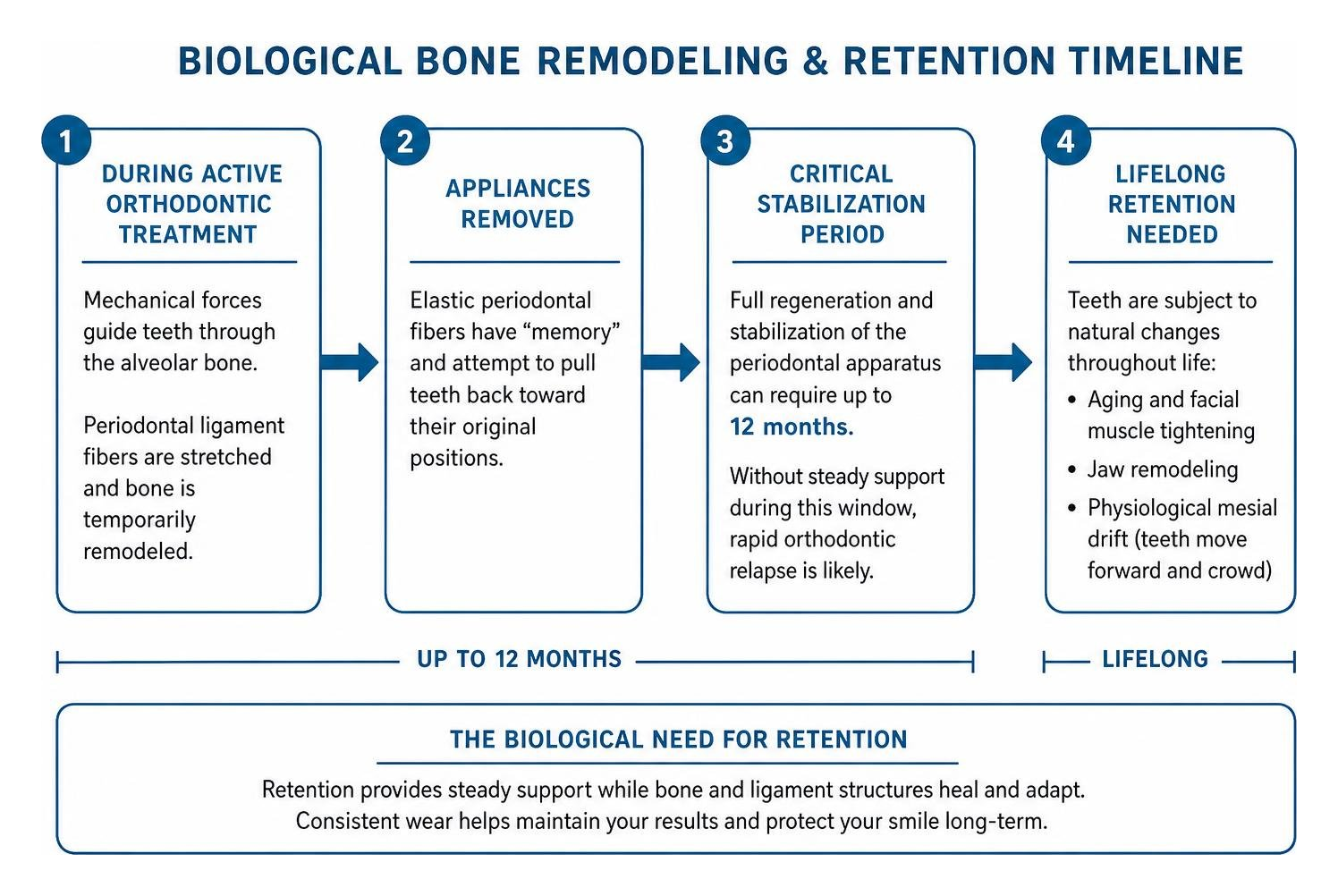
Achieving a straight, healthy smile is an exciting milestone, but debonding your brackets or finishing your final clear aligner tray is not the final step of orthodontic therapy. Once active movement ceases, the underlying biological structures around your teeth enter a critical phase of reorganization.
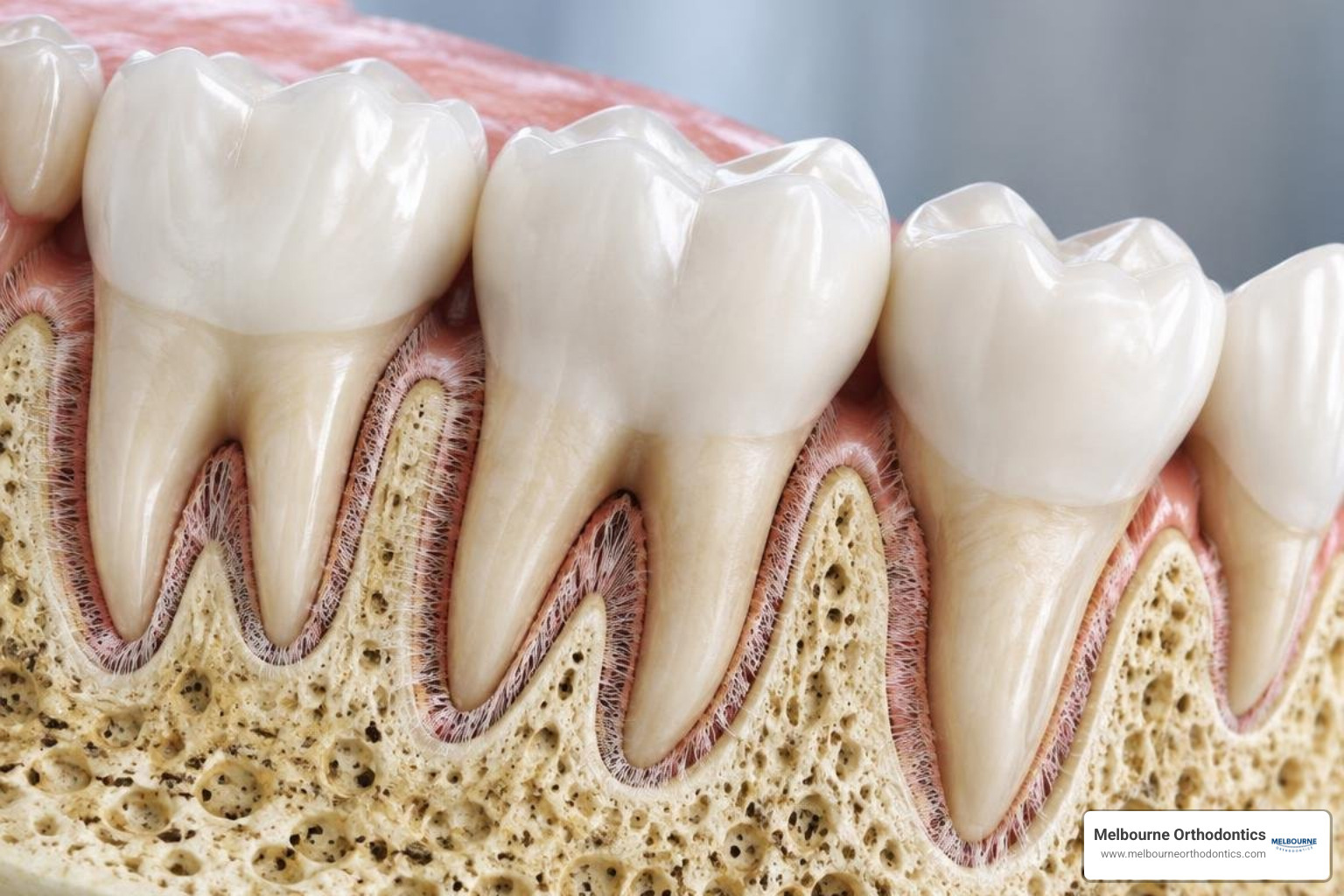
During active orthodontic treatment, mechanical forces gently guide teeth through the alveolar bone. This process stretches the surrounding periodontal ligament fibers and temporarily remodels the supporting bone tissue. When appliances are removed, these elastic periodontal fibers retain an inherent “memory” and naturally attempt to pull the teeth back toward their original positions. Full regeneration and stabilization of the periodontal apparatus can require up to 12 months. Without steady support during this window, rapid orthodontic relapse is almost guaranteed.
Beyond immediate post-treatment stabilization, teeth are subject to natural physiological changes throughout your life. Normal aging leads to natural facial muscle tightening, gradual jaw remodeling, and physiological mesial drift (the natural tendency of teeth to move forward and crowd over time). Understanding why your teeth need long-term support helps explain why retention is a lifelong commitment rather than a temporary phase. Failing to wear your appliance regularly can lead to complications from neglecting your retainers, which often includes shifting severe enough to require re-treatment.
Exploring the Main Types of Retainers
Orthodontic retainers fall into two broad categories: removable appliances and fixed bonded wires. Selecting the right design depends on your initial malocclusion, lifestyle, daily habits, and personal aesthetic preferences. Learning about the different types of retainers ensures that your smile remains stable without disrupting your routine.
| Feature | Clear Vacuum-Formed (Essix) | Traditional Hawley | Fixed Bonded Wire |
|---|---|---|---|
| Material | Clear thermoplastic polyurethane | Acrylic baseplate & stainless steel wire | Multi-strand stainless steel wire |
| Visibility | Virtually invisible | Visible front wire (custom colors for acrylic) | Completely hidden behind front teeth |
| Durability | Moderate (subject to wear from grinding) | High (long-lasting, sturdy acrylic) | High (bonded directly with composite resin) |
| Adjustability | Non-adjustable (requires replacement) | Highly adjustable by your orthodontist | Non-adjustable (requires re-bonding if broken) |
| Oral Hygiene | Simple (removed for normal brushing/flossing) | Simple (removed for normal brushing/flossing) | Requires floss threaders or interdental brushes |
| Bite Settling | Holds entire occlusal surface | Allows natural posterior settling | Allows natural bite settling |
Clear Plastic Vacuum-Formed Retainers
Clear vacuum-formed retainers (often referred to as Essix appliances) are custom-molded from medical-grade thermoplastic sheets (typically around 0.040 inches thick). They snap directly over the dental arch, delivering exceptional aesthetics and discreet wear.
Because these appliances cover the entire biting surface (occlusal plane), they prevent individual teeth from rotating or tipping. For a comprehensive overview, explore our guide to clear plastic retainers. While clear trays are comfortable and virtually invisible, patients with severe nocturnal bruxism (teeth grinding) may wear through the plastic faster than traditional wire designs.
Traditional Hawley Acrylic Appliances
The Hawley retainer is a classic, time-tested removable option constructed from durable acrylic and a custom-formed stainless steel labial bow. The acrylic plate rests comfortably against the roof of the mouth or along the lingual tissue of the lower arch.
One significant advantage of the Hawley design is its adjustability. We can make precise adjustments to the wire loops to refine your alignment or close minor residual spaces. Furthermore, because the acrylic does not cover the biting surfaces of your posterior teeth, it permits natural “settling,” allowing your upper and lower teeth to fit together naturally. Patients can also personalize their acrylic baseplates with custom colors and patterns.
Fixed Bonded Retainers
A fixed retainer consists of a specialized multi-strand stainless steel wire bonded directly to the lingual (tongue-facing) side of your anterior teeth using dental composite resin. They are most commonly applied across the six lower front teeth (canine to canine), where relapse tendencies are highest.
Fixed retainers provide continuous, 24/7 protection against movement without relying on daily patient compliance. However, because the wire spans across several teeth, plaque accumulation can increase along the gumline. Wearers must practice diligent oral hygiene, utilizing floss threaders, interproximal brushes, or water flossers to safeguard their periodontal health.
Wear Schedules and Maintenance Protocols
Consistent wear is essential for preserving your smile. Clinical studies demonstrate that part-time wear—specifically nighttime use of approximately 10 hours per day—is clinically as effective at maintaining long-term alignment as full-time wear for many patients, while significantly extending the physical lifespan of clear plastic appliances. However, it is usually important to wear retainers closer to full-time right after the active phase of treatment is completed, as prescribed by your orthodontist.
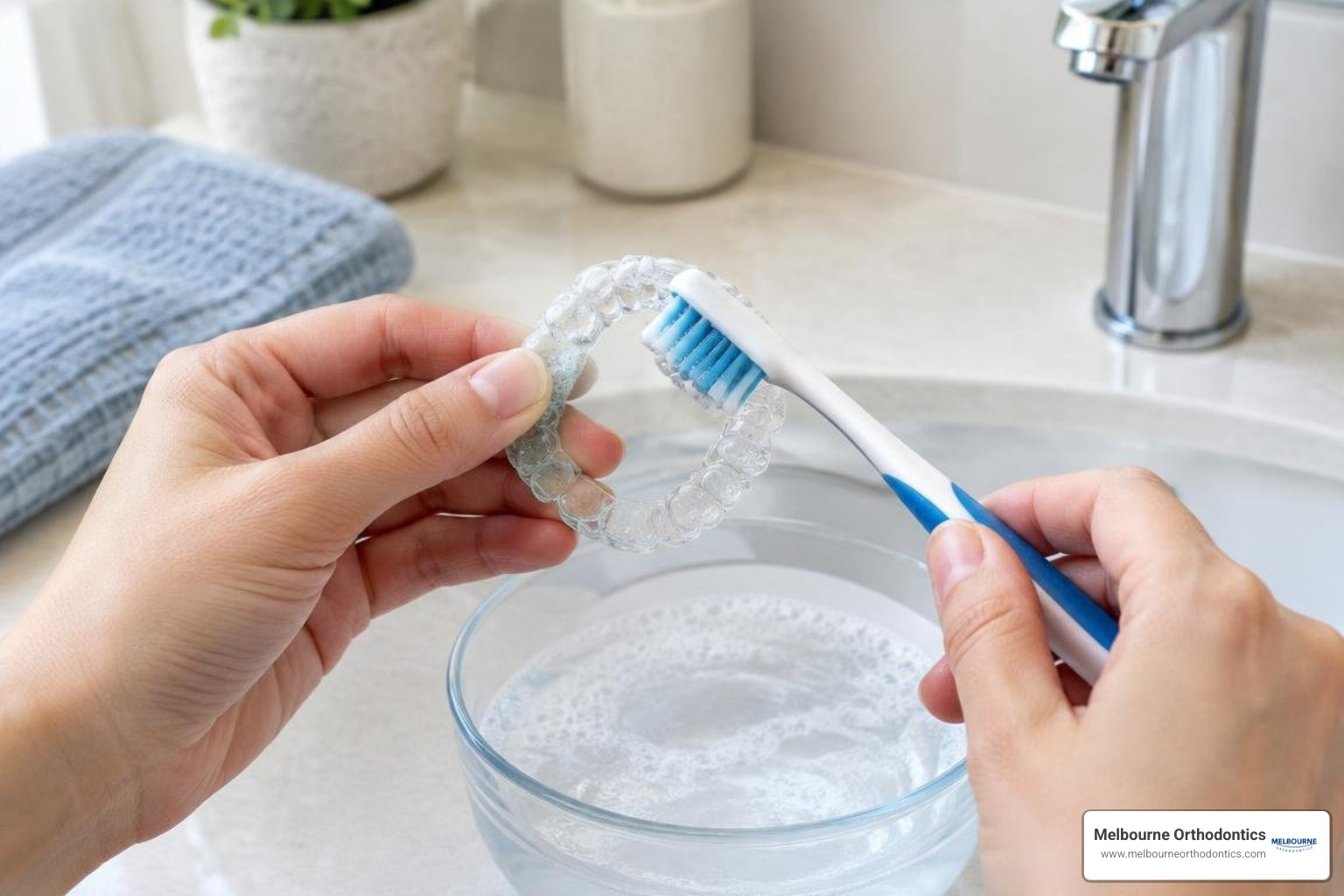
Proper daily hygiene keeps appliances clear, fresh, and free from mineral buildup. Following retainer maintenance and hygiene best practices protects your appliances:
- Clean Daily: Gently brush your appliance using a soft-bristled toothbrush and lukewarm water or mild liquid dish soap. Avoid abrasive toothpastes, which create microscopic scratches that harbor odor-causing bacteria.
- Avoid Excessive Heat: Never expose thermoplastic retainers to hot water, boiling water, dishwashers, or sunny car dashboards. Temperatures above 115°F will warp the plastic.
- Store in a Protective Case: Whenever your appliance is not in your mouth, store it in its dedicated case. Wrapping appliances in paper napkins at restaurants is the leading cause of accidental disposal.
- Protect From Pets: Dogs and cats are naturally attracted to the scent of saliva on dental appliances and can chew through them in seconds.
If life gets busy and you skip several days or weeks of wear, review our guidance on what to do when you haven’t worn your retainer before attempting to force an ill-fitting tray into place.
Factors Influencing Retainer Costs and Replacements
The overall financial investment associated with post-treatment retention depends on several practical factors:
- Manufacturing Technology: Modern digital intraoral scanners capture highly accurate 3D impressions of your arches, eliminating uncomfortable traditional putties and streamlining laboratory fabrication.
- Material Selection: Long-lasting materials like acrylic and stainless steel Hawley appliances feature higher initial fabrication demands but offer long-term durability. Clear thermoplastic trays involve streamlined digital printing workflows, making replacement sets convenient to re-order.
- Number of Arches: Treatment may require single-arch retention or full dual-arch retention. Many patients benefit from a hybrid approach—such as a fixed lingual wire on the lower arch paired with a clear removable tray for the upper arch.
- Insurance and Warranty Programs: Many dental insurance plans offer partial coverage for initial post-orthodontic retention devices. In addition, routine dental checkups help monitor the integrity of bonded wires.
If your appliance suffers structural damage, review what to do if your retainer breaks. If your appliance goes missing, act quickly and consult our guidance for a lost retainer to avoid unwanted tooth movement.
Frequently Asked Questions About Retainers
How long do I have to wear a retainer each day?
Immediately after braces or aligners are removed, your orthodontist will prescribe a specific wear schedule tailored to your bite. While some cases require initial full-time wear for a few months, high-quality clinical research shows that part-time nighttime wear (approximately 10 hours per night) is highly effective for maintaining stability.
Patients often ask the question, “do I have to wear retainers forever?” The simple answer is yes: ongoing nighttime wear protects your smile against the natural shifts that occur with age.
What should I do if my retainer feels too tight or no longer fits?
A retainer that feels unusually snug is a clear sign that your teeth have experienced minor physiological drift, often caused by skipped wear. If the appliance seats fully without causing sharp pain, wearing it consistently for several consecutive nights can help guide teeth back into position. However, if the appliance causes severe discomfort or will not seat completely, review our guide on why your retainer is not fitting and schedule an orthodontic appointment for an adjustment.
Can a retainer fix teeth that have already shifted?
Standard clear or Hawley appliances are passive devices engineered to hold teeth in their corrected alignments rather than generate active tooth-moving forces. If your teeth have moved substantially, a standard retainer cannot straighten them. However, minor relapses of 1 to 2 mm can sometimes be corrected using specialized active appliances, such as Hawley retainers with built-in finger springs. If noticeable movement has occurred, discover what to do if your teeth have shifted to explore touch-up options.
Conclusion
Your straight smile is a lifelong investment in your health and confidence. Maintaining your results requires consistent post-treatment care and dependable retention. Whether you choose discreet clear trays, durable Hawley plates, or bonded fixed wires, wearing and caring for your appliance ensures your teeth remain perfectly aligned for decades to come.
At Melbourne Orthodontics, we work closely with families across Melbourne and Indian Harbour Beach to deliver personalized orthodontic care and long-term smile protection. If you need a replacement appliance, a fit check, or guidance on post-treatment care, schedule an evaluation for custom orthodontic retainers with our team today.