Browse Our Full List of Braces-Friendly Foods for Breakfast Lunch and Dinner
The Complete List of Braces-Friendly Foods for Every Meal
A braces-friendly diet centers on soft, low-chew staples such as scrambled eggs, oatmeal, yogurt, pasta, flaky fish, steamed vegetables, and tender shredded meats. Transitioning to life with orthodontic appliances does not mean giving up delicious, nutrient-dense meals. Maintaining a balanced diet fuels cellular repair and supports tissue remodeling as teeth move into ideal alignment.
According to the National Institute of Dental and Craniofacial Research (NIDCR), patients with braces face a higher risk of cavities because brackets, bands, and archwires create tiny physical pockets where plaque readily accumulates. Choosing the right textures helps you avoid mechanical damage to appliances while safeguarding enamel against demineralization. Discover practical strategies for eating right during orthodontic treatment to keep your smile healthy and your hardware intact.
Morning Nutrition: Braces-Safe Breakfast Options
Mornings set the tone for your daily energy, and soft, protein-rich breakfast choices ensure you start the day without chewing discomfort:
- Fluffy Scrambled Eggs: Rich in protein and essential minerals, softly scrambled eggs require minimal chewing and deliver gentle morning fuel.
- Warm Rolled Oatmeal: Cooked with milk or water until velvety, oatmeal provides complex carbohydrates without crunchy grains. Stir in a dash of cinnamon or smooth fruit purée for extra flavor.
- Creamy Greek Yogurt: Packed with calcium and probiotics, plain or lightly sweetened Greek yogurt supports bone density and gum health without placing stress on sensitive front teeth.
- Nutrient-Dense Fruit Smoothies: Blending soft fruits like bananas, ripe berries, and baby spinach delivers essential vitamins. Using a straw helps guide the liquid past brackets to minimize contact with enamel.
- Soft Pancakes and Waffles: Light, fluffy flapjacks topped with pure maple syrup or melted fruit spread are easy to slice into small, fork-tender bites.
Explore our broader selection of foods you can enjoy during your orthodontic treatment to expand your morning menu without risking appliance wear.
Wholesome Lunches: School and Work Staples
Midday meals away from home must be practical, simple to clean from brackets, and gentle on shifting teeth:
- Soft Tortilla Wraps: Fill thin, soft flour tortillas with finely shredded deli turkey, creamy avocado slices, and mild cheese instead of biting through dense sandwich rolls.
- Classic Tuna or Egg Salad: Flaked tuna mixed with a touch of mayonnaise or Greek yogurt provides lean protein and omega-3 fatty acids without any tough fibers.
- Hearty Lentil or Vegetable Soups: Warm, nutrient-rich broths containing tender beans and simmered vegetables provide comforting sustenance that requires zero forceful chewing.
- Pasta and Soft Noodle Bowls: Overcooked elbow macaroni, penne, or tender ramen noodles tossed in mild tomato sauce or light olive oil are soft on tender molars.
When planning school lunches, review our recommendations for packing braces-friendly foods for school to keep midday eating stress-free. If your schedule takes you out for lunch meetings or social meals, check out these strategies for dining out with braces to make confident menu choices.
Satisfying Dinners: Tender Proteins and Cooked Sides
Evening meals offer an opportunity to enjoy rich textures that support bodily recovery without putting shear stress on delicate molar brackets:
- Slow-Cooked Braised Chicken: Cooking poultry in a slow cooker until it shreds easily with a fork eliminates tough chewing and protects archwires from bending.
- Baked Flaky Fish: White fish varieties such as cod, tilapia, or wild salmon naturally flake apart under light fork pressure and supply essential vitamin D for healthy jawbone structure.
- Savory Baked Tofu: Marinated and baked until tender, tofu absorbs rich seasonings while remaining gentle on adjusting teeth.
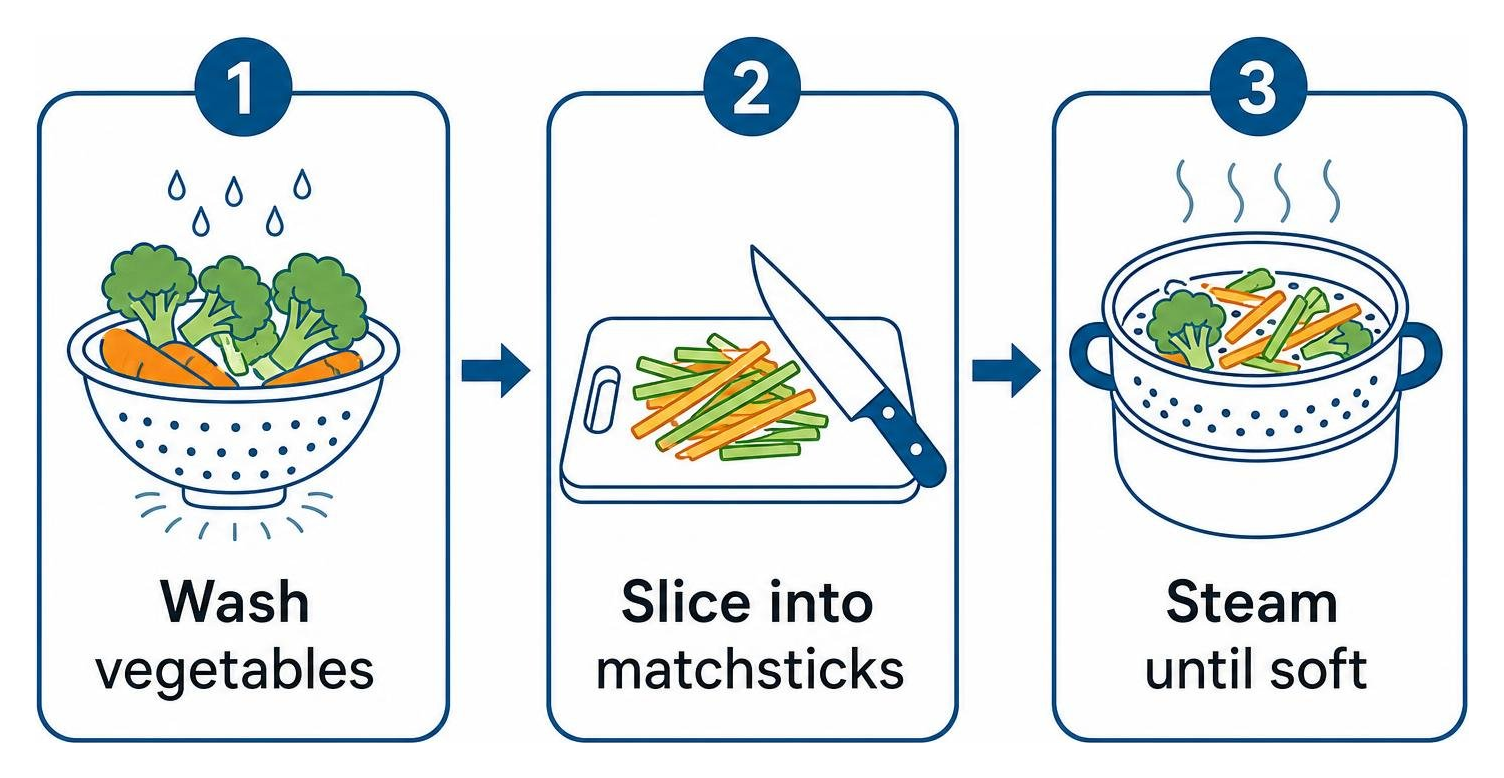
- Fork-Tender Steamed Vegetables: Broccoli florets, sliced zucchini, and carrot coins steamed until completely soft allow you to meet your daily produce goals without crunching.
- Creamy Mashed Potatoes or Sweet Potatoes: Waved through with a splash of milk or butter, mashed root vegetables provide filling, smooth dinner comfort.
Prioritizing whole, mineral-rich foods supports long-term oral wellness; discover the best foods for healthy teeth to optimize your results throughout active treatment.
Essential Kitchen Modifications and Safe Snacking Strategies
Eating with braces does not require cooking completely separate meals for yourself or your family. Simple preparation techniques can transform firm ingredients into orthodontic-safe staples.
Understanding the role of nutrition in orthodontic care helps highlight how proper food preparation preserves bracket integrity while nourishing the bone remodeling process.
Healthy Snacks to Add to Your List of Braces-Friendly Foods
When hunger strikes between meals, reach for snacks that do not challenge orthodontic adhesives:
- Soft String Cheese and Mozzarella Rounds: High in enamel-strengthening calcium, soft cheeses provide portable, savory protein.
- Ripe Bananas and Soft Melon Cubes: Naturally sweet, tender fruits require very little chewing force.
- Unsweetened Applesauce: Delivering pure fruit nutrition without tough skins or dense pulp, smooth applesauce is a reliable pantry staple.
- Silky Hummus with Soft Pita Wedges: Chickpea dip offers fiber and complex carbs when paired with warm, crustless flatbreads instead of crunchy chips.
- Creamy Cottage Cheese: Soft curds packed with protein make an ideal mid-afternoon snack that rinses easily from bracket brackets.
For more nutritious ideas to curb daily cravings, review our advice on how to snack smart during orthodontic treatment.
Safe Adaptations: Modifying Crunchy Staples for Your List of Braces-Friendly Foods
You can still enjoy your favorite crisp fruits, vegetables, and comfort foods by using a few straightforward prep techniques:
- The Matchstick Apple Method: Never bite directly into a whole apple, as the lever force can pop front brackets off the tooth surface. Instead, peel the skin and slice the apple into wafer-thin matchsticks.
- Off-the-Cob Sweet Corn: Biting into corn on the cob pushes kernels directly against brackets and traps fibrous husks in archwires. Slice kernels clean off the cob with a chef’s knife before serving.
- Fork-and-Knife Thin-Crust Pizza: Avoid dense, chewy, or deep-dish pizza dough. Choose thin-crust slices, cut off the hardened outer crust, and divide the soft center into bite-sized squares to eat with a fork.
- Shredded and Steamed Produce: Grate hard vegetables like carrots into fine ribbons for salads, or steam them in broth until they mash easily under the back of a spoon.
Learn more about potential hazards and explore smart swaps with our breakdown of foods that can damage braces and smart alternatives.
Orthodontic Red Flags: Foods That Threaten Your Brackets and Wires
Certain textures present structural hazards to dental appliances. According to the American Association of Orthodontists, hard candies, sticky sweets, popcorn, nuts, crusty breads, and dense bagels represent the leading causes of broken appliances. Furthermore, a study highlighted in the Journal of Clinical Pediatric Dentistry confirmed that patients who frequently consume sticky treats experience a significantly higher rate of bracket bond failure compared to those who steer clear.
The majority of appliance fractures occur on the back molars, where biting forces are strongest. When a bracket breaks or an archwire dislodges, your tooth stops moving along its planned path, requiring unscheduled repair appointments that can delay your final debonding date by weeks.
| Safe Texture Category | Braces-Safe Alternatives | Damaging Foods to Avoid | Mechanical / Oral Health Risk |
|---|---|---|---|
| Produce & Snacks | Thin apple shavings, steamed carrots, ripe berries | Whole apples, raw baby carrots, popcorn, whole nuts | High shear force breaks molar brackets; popcorn hulls lodge under gums |
| Sweets & Treats | Smooth pudding, soft ice cream, melted chocolate | Caramels, taffy, gummy bears, hard lollipops | Sticky foods pull off bonded brackets; hard candies crack ceramic/metal wings |
| Breads & Grains | Soft sandwich bread, flour tortillas, cooked pasta | Bagels, hard pretzels, thick pizza crusts, hard taco shells | Biting into chewy dough bends flexible nickel-titanium archwires |
| Proteins | Slow-cooked pulled pork, flaky salmon, soft eggs | Beef jerky, tough steak, ribs on the bone | Tearing meat from bone pulls brackets clean off front teeth |
In addition to physical damage, sugar exposure frequency plays a critical role in enamel preservation. According to the Academy of Nutrition and Dietetics, the frequency of sugar exposure matters far more than the total volume consumed. Grazing on sugary snacks throughout the day produces repeated acid attacks that demineralize enamel around bracket bases, leaving permanent chalky white spots (white spot lesions). The 2025–2030 Dietary Guidelines suggest limiting added sugars to less than 10% of daily calories to protect overall health and preserve tooth surfaces.
To review all prohibited snacks in detail, consult our comprehensive guide on food limitations with braces.
The First-Week Recovery and Adjustment Eating Strategy

Approximately 5.6 million people across the United States are currently undergoing orthodontic treatment, and every single one navigates an initial adjustment phase. It typically takes about a month for patients to feel fully accustomed to their braces.
During the first week after initial placement or routine adjustments, the archwire exerts gentle, continuous pressure on the teeth, temporarily compressing the periodontal ligament and creating mild tenderness.
- Days 1 to 3 (The Ultra-Soft Phase): Focus primarily on cool, soothing textures such as chilled fruit smoothies, protein shakes, blended vegetable soups, and creamy yogurts. Cool foods act as a form of natural cold therapy, soothing irritated periodontal tissues.
- Days 4 to 7 (The Soft-Solids Phase): As acute sensitivity subsides, introduce soft solid foods such as scrambled eggs, overcooked pasta, well-mashed sweet potatoes, and flaked fish.
- Week 2 and Beyond (The Sustainable Diet): Return to a balanced, diverse menu using our kitchen modification rules, slicing foods into small, bite-sized pieces.
If your treatment plan includes interarch elastics (rubber bands) to correct your bite alignment, remember to change them at least once a day as recommended. Changing elastics consistently maintains steady corrective force and keeps your treatment timeline moving forward smoothly. Discover additional comfort strategies in our overview of life with braces.
Frequently Asked Questions About Eating with Braces
Adapting your daily routines makes wearing braces a smooth and comfortable experience. Here are answers to common questions about managing meals, maintaining appliance hygiene, and modifying favorite dishes, alongside expert tips on braces and eating habits.
Can I still eat pizza, burgers, and sandwiches with braces?
Yes, you can still enjoy these favorites by modifying how you prepare and eat them. Avoid hard, crunchy pizza crusts and deeply toasted bread. Choose thin-crust pizza or soft sandwich rolls, and cut the food into small, bite-sized squares using a knife and fork. Eating small bites with your back teeth eliminates the front-tooth pulling motion that can snap brackets off your incisors.
What should I do if a bracket breaks or a wire pokes after a meal?
If a bracket feels loose or a wire starts poking your cheek after eating, follow these immediate steps:
- Inspect the Area: Use a mirror and clean fingers or the back of a spoon to check if the bracket is sliding along the wire or if a wire has slipped out of its molar tube.
- Apply Orthodontic Relief Wax: Dry the offending bracket or wire with a cotton swab, then roll a small pea-sized ball of orthodontic wax between your fingers and press it firmly over the sharp spot to shield your cheeks and gums.
- Contact Our Office Promptly: Call our team to schedule a repair visit. Unrepaired broken brackets interrupt the continuous pressure needed to shift teeth, which can extend your overall treatment timeline.
How long do I need to follow a soft-food diet after an adjustment?
Most patients experience peak tenderness during the first 24 to 48 hours following an archwire adjustment. You generally only need to follow an ultra-soft or liquid-heavy diet for the first two to three days. By days four through seven, as your periodontal ligaments adjust to the new tension, you can comfortably transition back to your regular braces-friendly solid foods.
Conclusion
A successful orthodontic journey depends on protecting your appliances while giving your body the fuel it needs. By leaning on soft textures, mastering basic kitchen modifications, and skipping hard, sticky foods, you keep your treatment timeline on schedule and protect your tooth enamel every step of the way.
At Melbourne Orthodontics, Dr. Chad Reddick and our dedicated team are committed to providing patient-focused orthodontic care for families throughout Melbourne and Indian Harbour Beach, Florida. If you have questions about appliance care or need help modifying your diet, explore our complete guide to brace-friendly foods or contact our office to keep your smile on the path to lasting health and confidence.